Speaker at Panel discussion
Partner Programme
15 Sept 12:30 – 13:30
EeStairs
Shoreditch Town Hall 380 Old Street, London, EC1V 9LT, England
Shoreditch Town Hall 380
London
ec1v 9 lt
Supported by

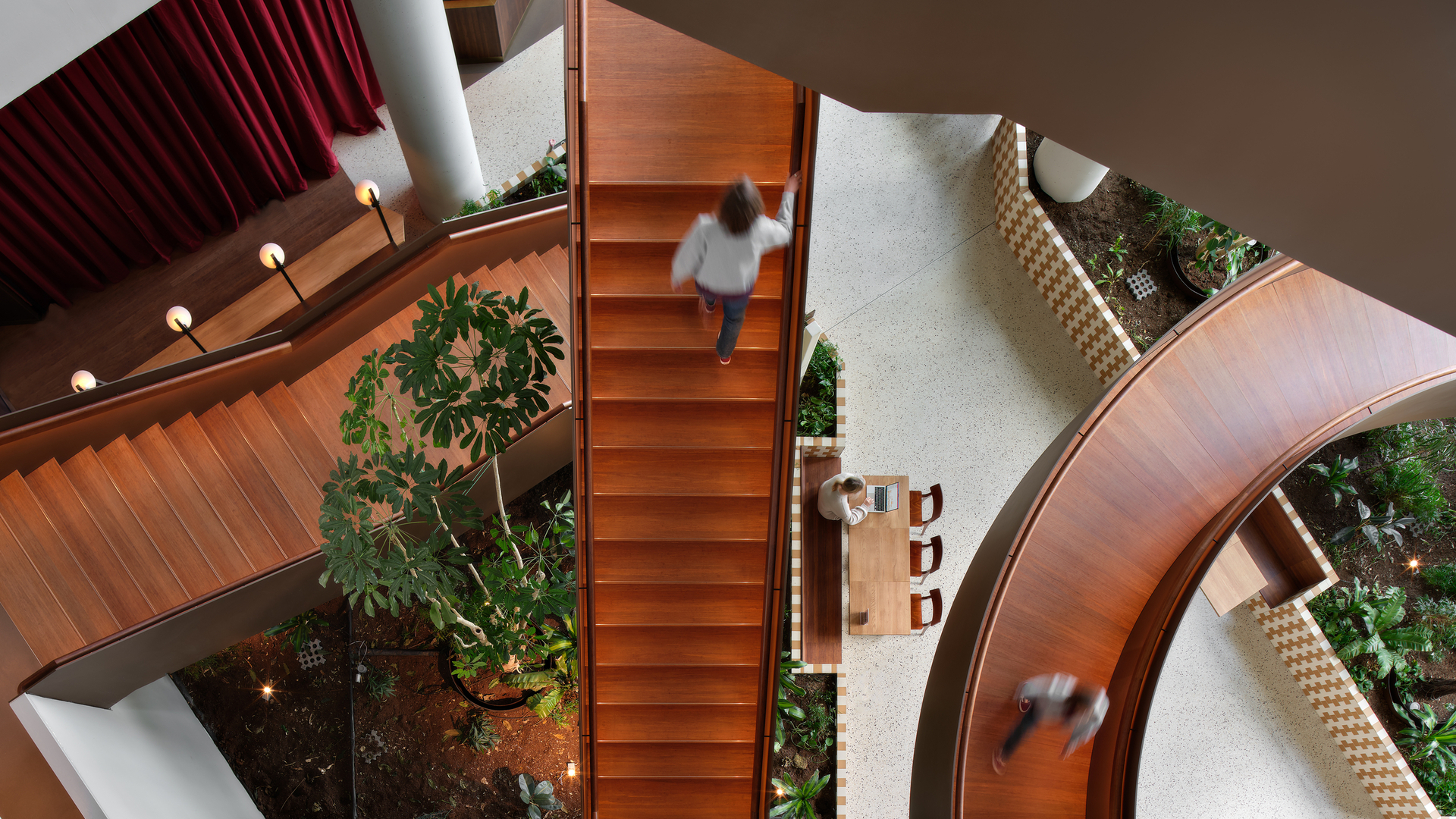
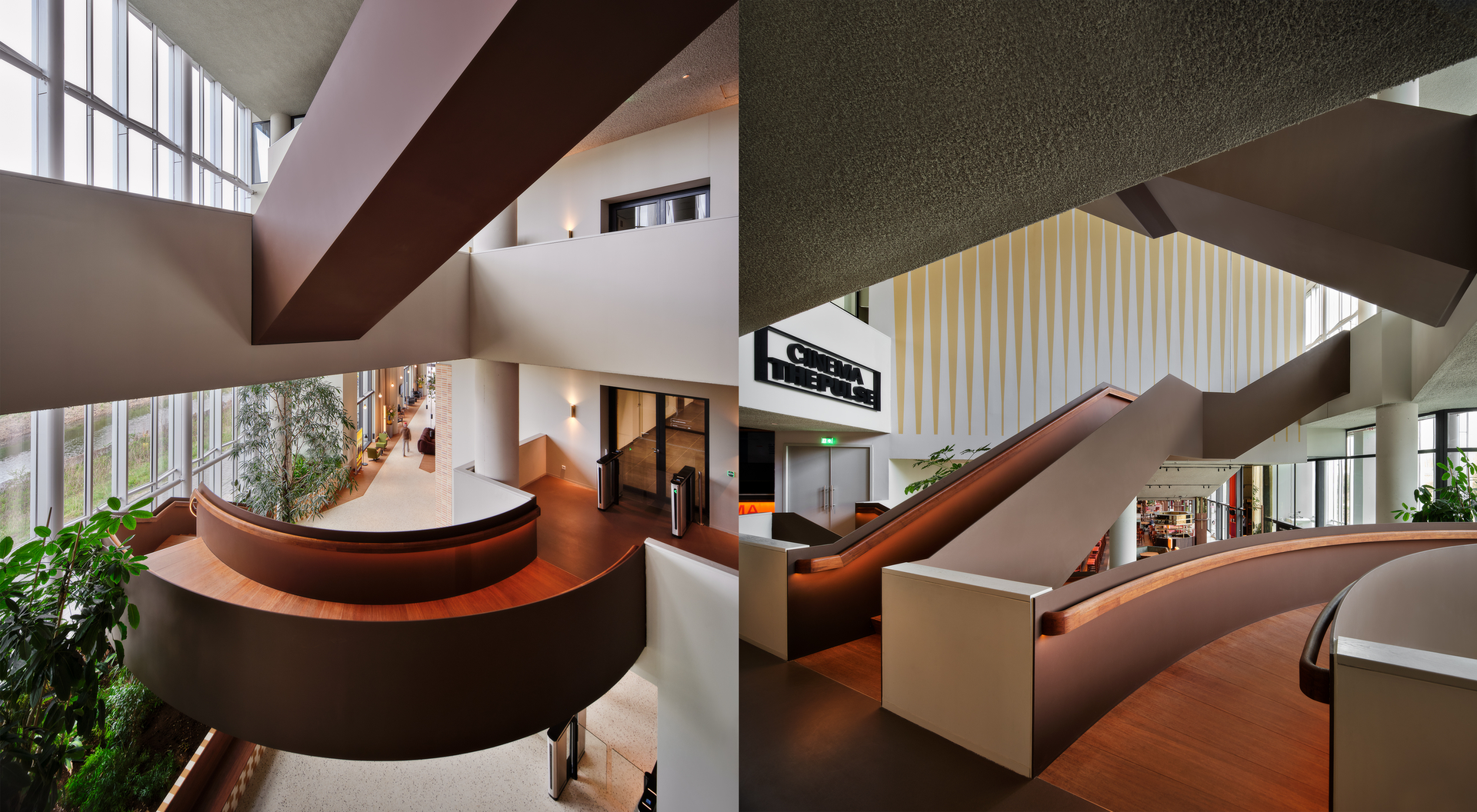
Architecture is not experienced from a single viewpoint. We move through it. We enter, turn, climb, descend and constantly discover new perspectives. The route through a building therefore becomes an essential part of how we understand and experience the space.
The route becomes the room.
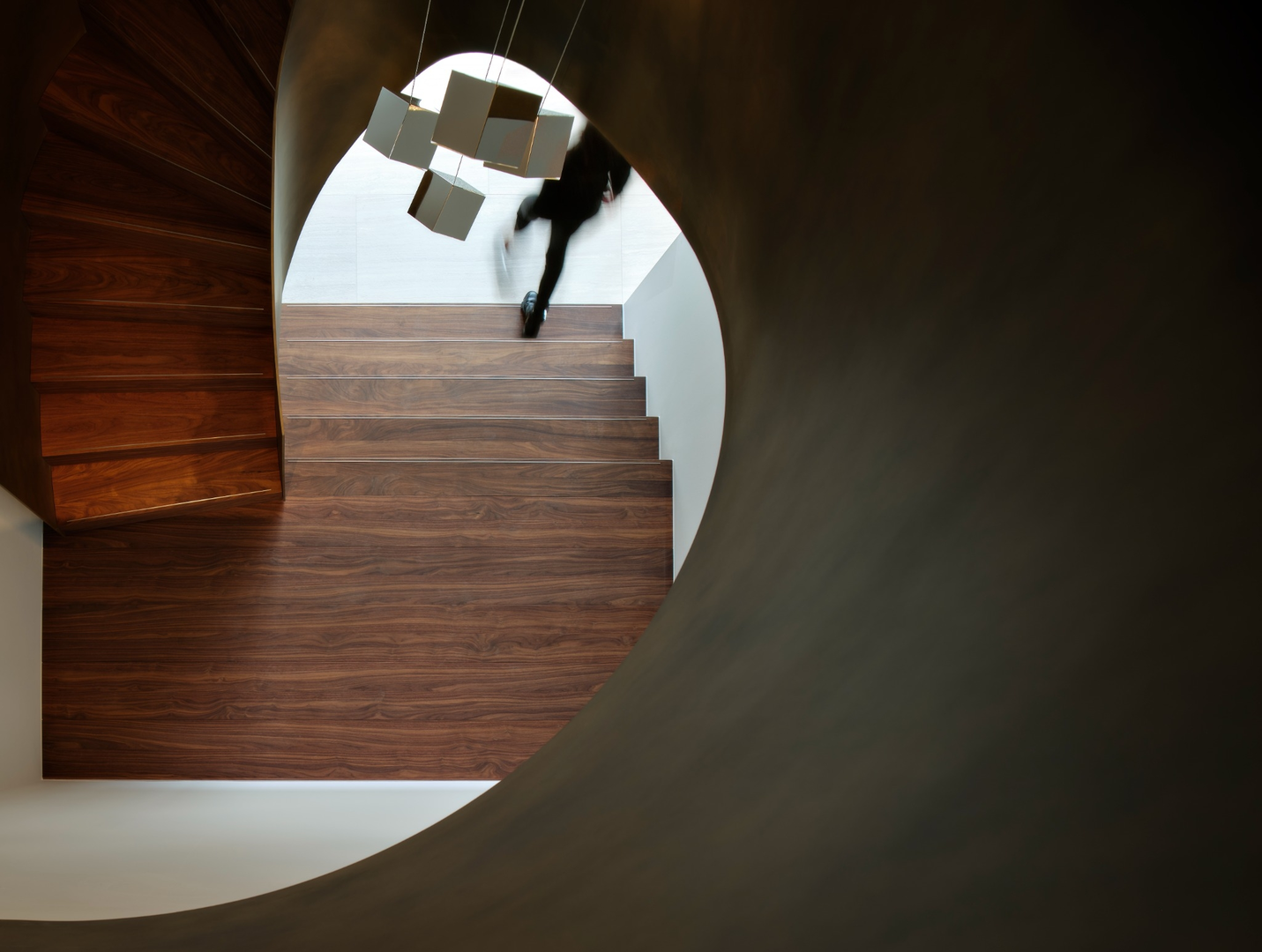
Moving through different heights changes our relationship with architecture. A space seen from the ground floor can feel completely different when experienced halfway up a staircase or from an upper level. New sightlines appear, connections between spaces become visible and our perception of scale, light and material changes.
This raises an interesting question for architects and interior architects: how much should the route determine the architecture?
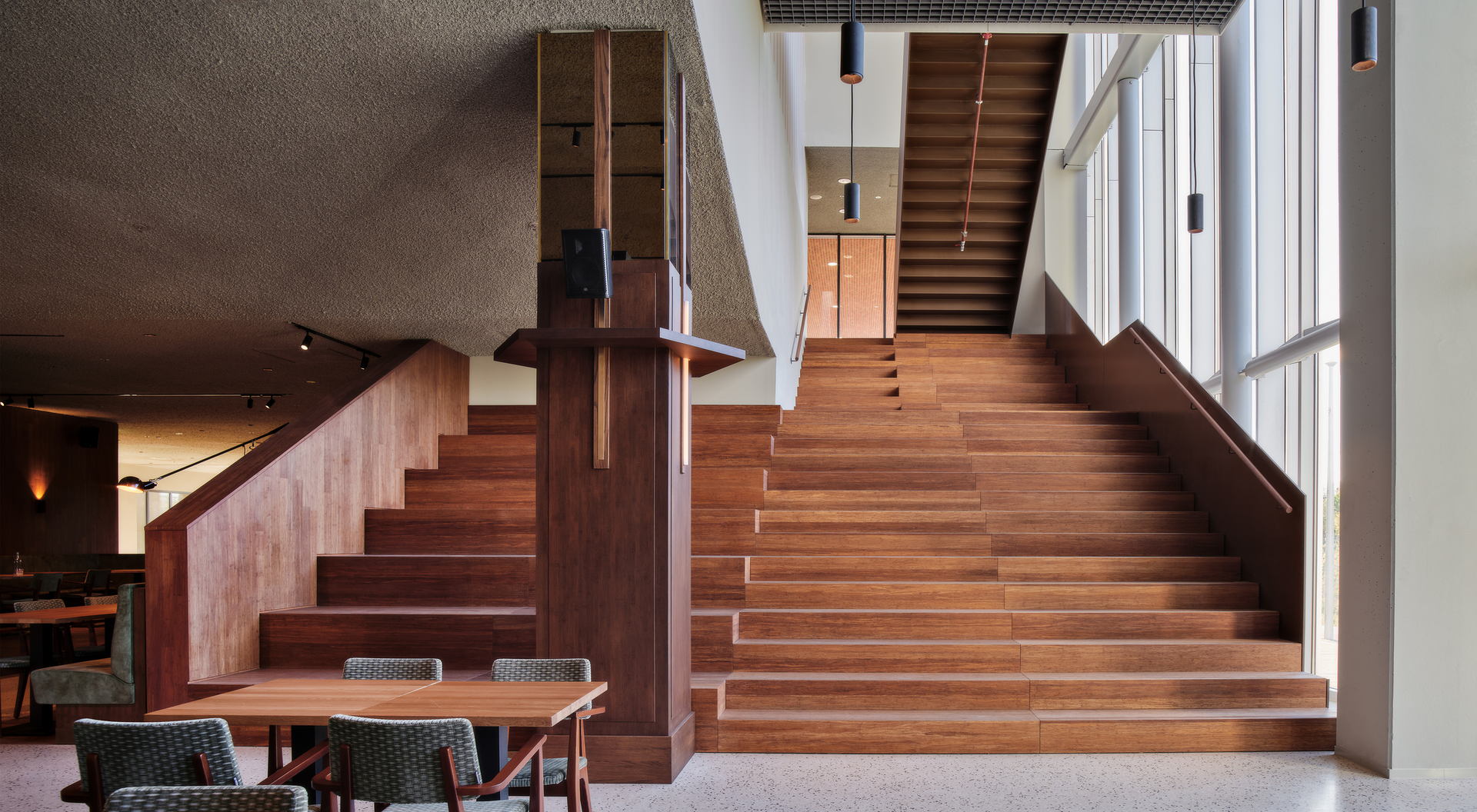
A staircase can be treated simply as a functional connection between floors, but it can also become the element that defines the journey through the building. Its position can encourage people to meet, slow down, look around or discover spaces they might otherwise pass by.
And who ultimately shapes that experience? Is the route primarily an architectural decision, or should interior architecture play an equally important role? Should movement be carefully choreographed by the designer, or should users be given the freedom to create their own routes?
Related