Feel The Felt: Minova Craft Collective Open Studio | Creative Wellbeing Hub
Partner Programme
12 Sept 10:00 – 17:00
13 Sept 10:00 – 17:00
15 Sept 10:00 – 17:00
16 Sept 10:00 – 17:00
17 Sept 10:00 – 17:00
18 Sept 10:00 – 17:00
19 Sept 10:00 – 17:00
20 Sept 10:00 – 17:00
MINOVA Craft Collective open studio / creative wellbeing hub
94
Gillespie Road
LONDON
N51LN
Supported by

As AI transforms creative practice, Minova Craft Collective focuses on simple, small, and slow acts of making that strengthen human creativity and connection. Through a calm open studio experience, regenerative craft and conversation, the project nurtures confidence, well-being, and community in a digital age.
As AI and digital technologies reshape how we create, learn, and work, Dr Miné Ovacık, Founding Director of MINOVA Design and Consultancy, presents MINOVA Craft Collective, a community-led initiative exploring the enduring value of human creativity, tactile making, and meaningful connections. Rather than seeing AI as a replacement for human creativity, the project embraces technology as a powerful tool that can expand creative possibilities. By supporting routine and analytical tasks, AI can free up time and create opportunities for imagination, experimentation, and meaningful human experiences. As technology evolves, our opportunity is to continue developing the uniquely human qualities that allow us to work creatively alongside it: imagination, craftsmanship, empathy, reflection, curiosity, and collaboration.
Guided by the principles of Simple | Small | Slow, MINOVA Craft Collective encourages two forms of connection: reconnecting with ourselves through mindful making, and connecting with others through shared creative experiences. Working with natural materials offers a tactile, embodied experience that encourages people to slow down, focus their attention, and engage their creativity.
The project explores how this kind of making can positively contribute to well-being while creating opportunities for dialogue, learning, and creating communities. During the LDF26, visitors are able to experience a focus on:
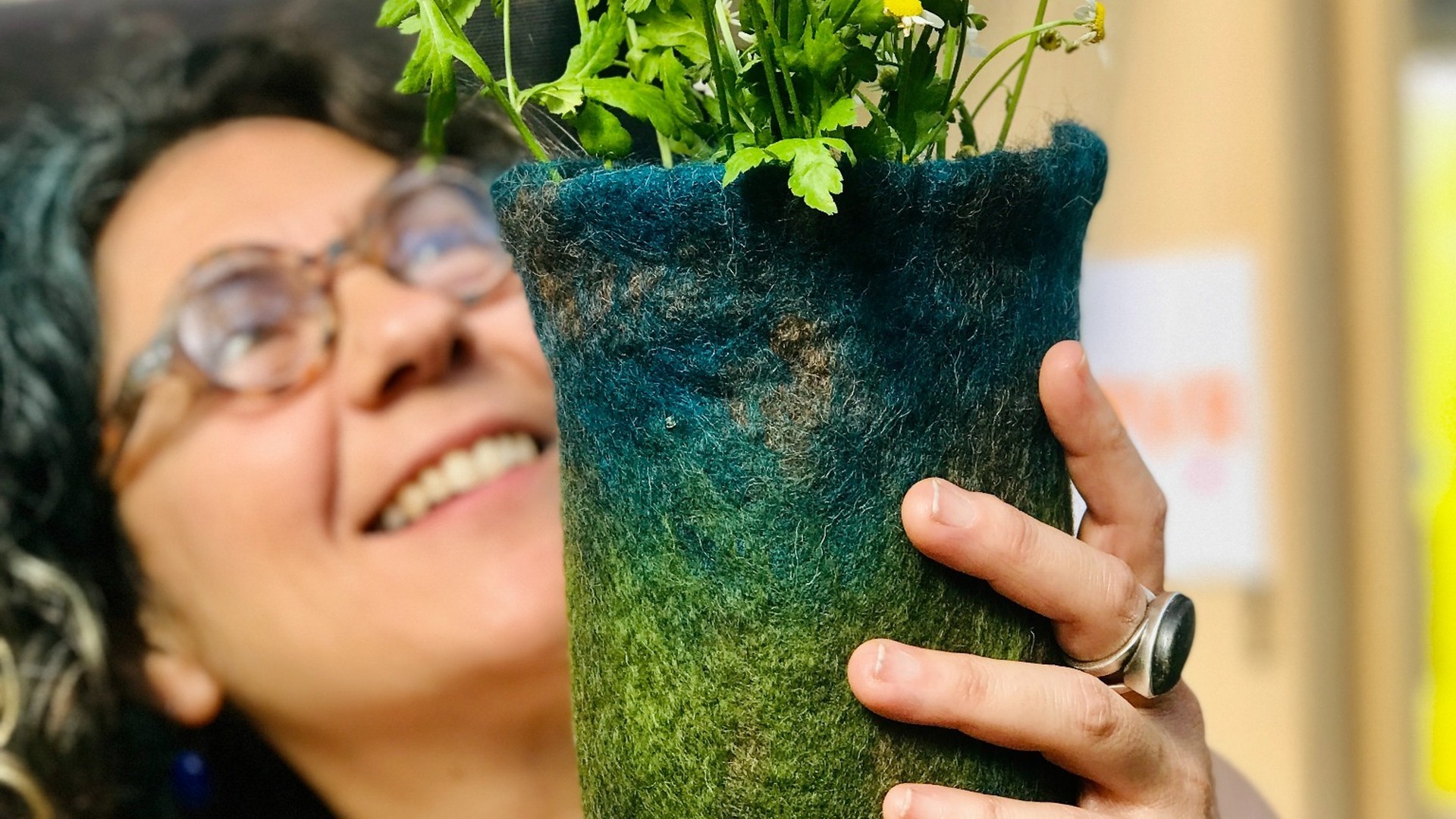
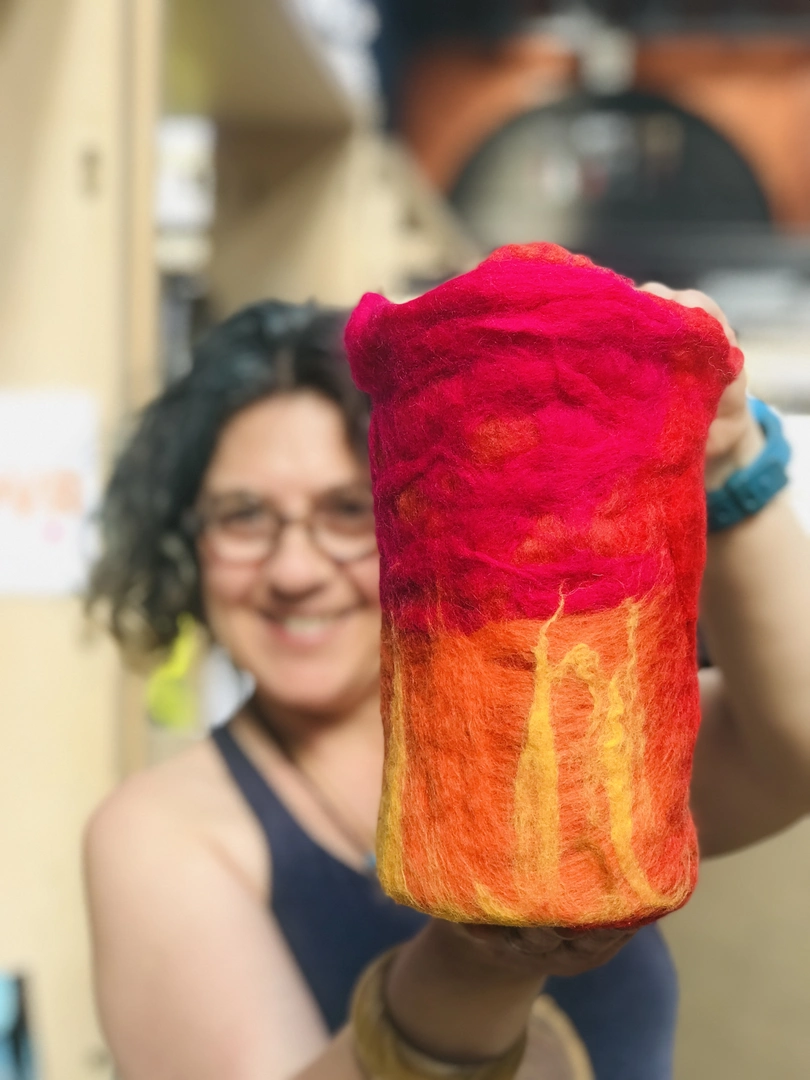
1. MINOVA felt collection and bespoke design: Throughout the festival, Miné will work live in the studio, creating natural wool felt pieces and welcoming visitors into the making process. Visitors can explore materials, discover the stories behind collections, purchase existing pieces, or co-create a bespoke piece by choosing colours from a curated palette. Each bespoke order is produced after the festival, reflecting MINOVA's made-to-order approach, which reduces unnecessary stock and supports more sustainable production.
2. Open dialogues: Creativity, well-being, and human connection. Alongside making, the studio becomes a welcoming space for conversations. Through relaxed one-to-one dialogues, visitors are invited to reflect on questions such as: how does making by hand influence y/our well-being? How does creativity affect our daily lives? What role does tactile making play in an AI-enabled world? With permission, insights may be documented through notes, photographs, or audio recordings to inform future research, workshops, and community projects.
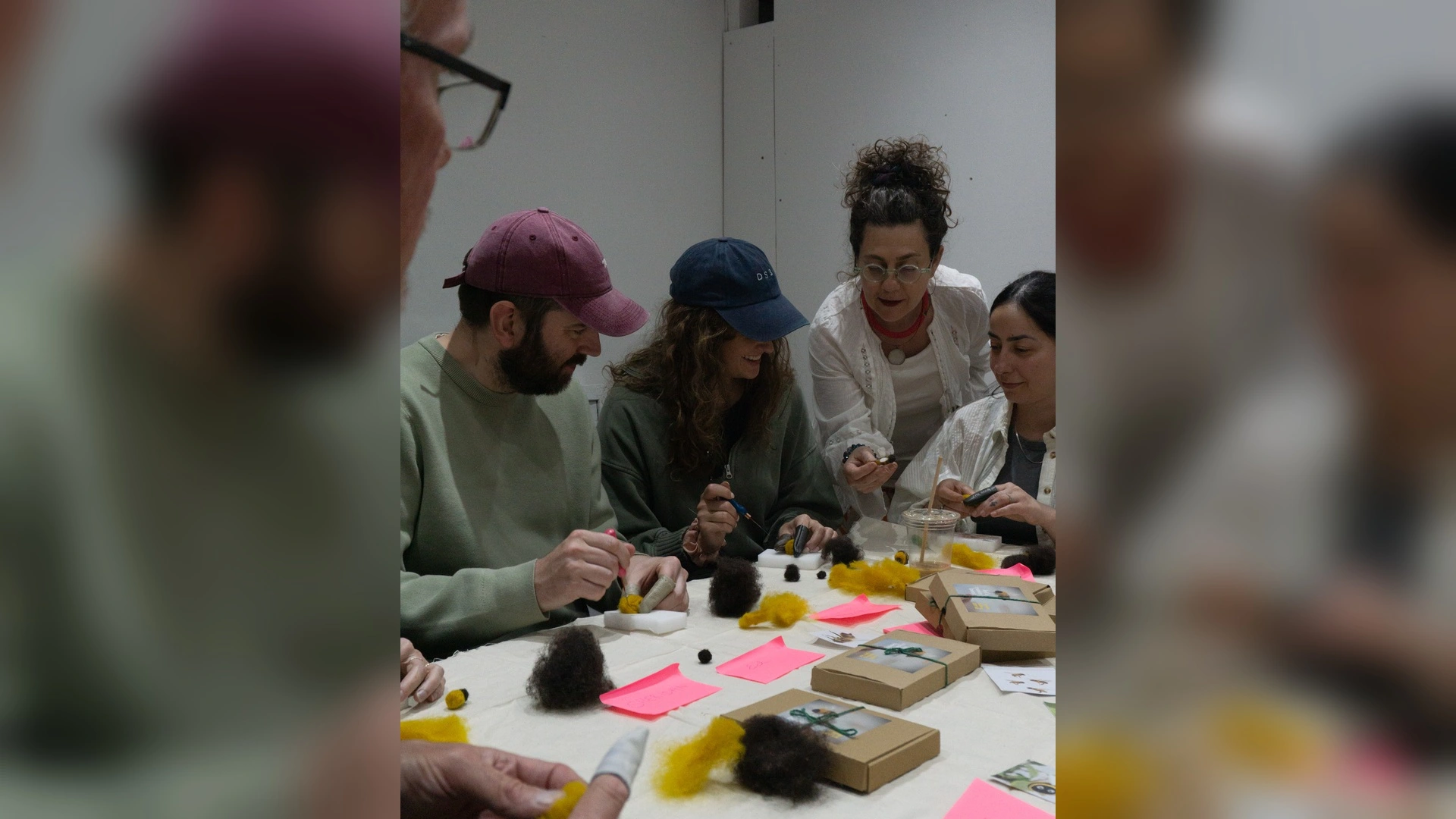
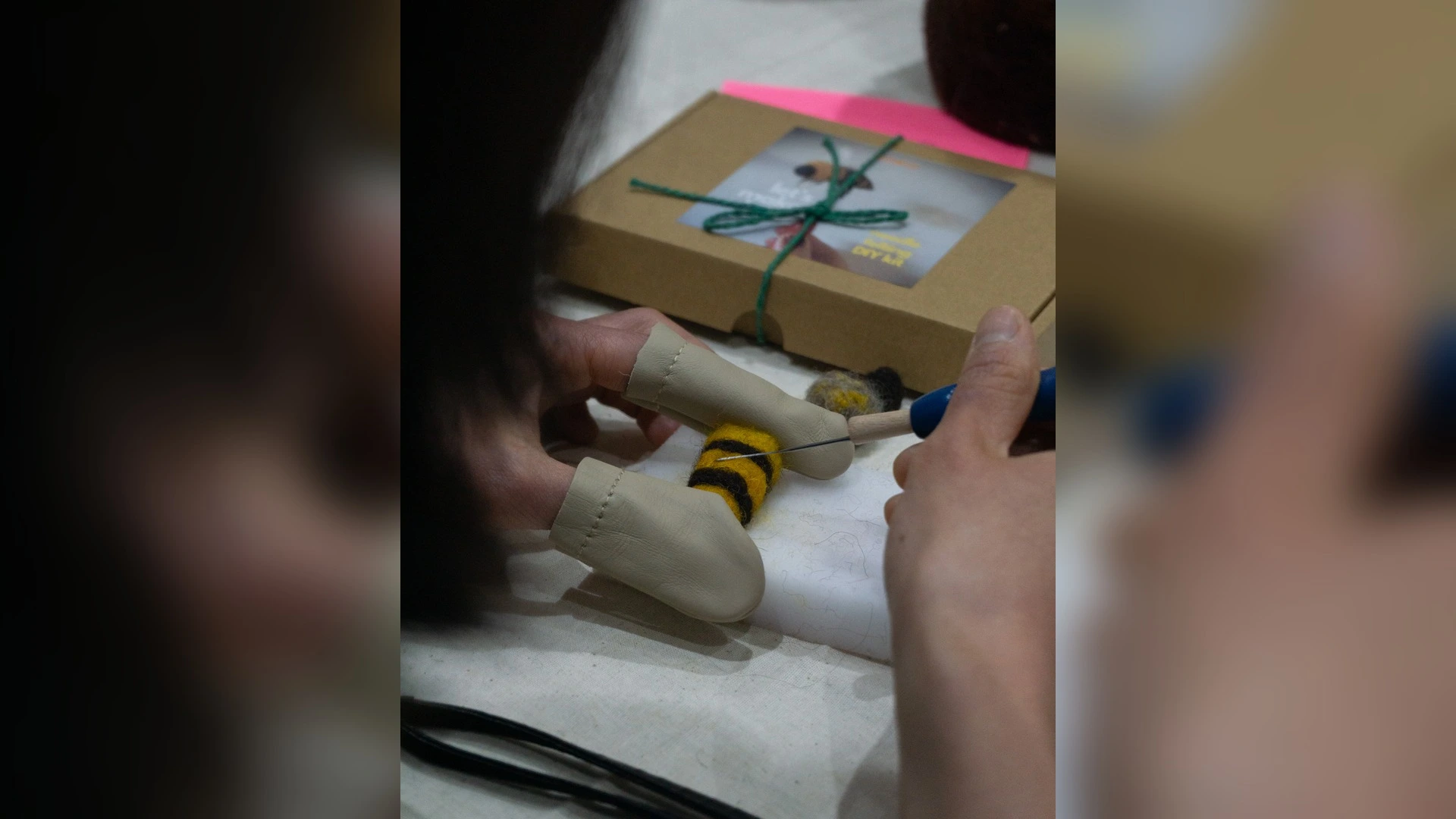
3. Felting workshops and building the MINOVA Craft Collective. This activity during the festival also launches the first pilot of the MINOVA Craft Collective. Introductory workshops are offered to design students and emerging makers interested in felt making and collaborative creative practice. Participants who wish to continue can join a growing network of future facilitators who support community workshops with universities, charities, and local organisations. Throughout the festival, visitor engagement will be supported by Miné's LDF’26 Activity Assistant, Anushka Kumar, who will help connect with design students, emerging makers, and potential collaborators, contributing to the ongoing development of MINOVA Craft Collective. London Design Festival 2026 represents the first public pilot of the MINOVA Collective.
More than an exhibition, it is a living exploration of regenerative design, creative well-being, design education, and community engagement. Through tactile making, dialogue, and collaboration, the project aims to show that as technology becomes more capable, the need to nurture human creativity, imagination, craftsmanship, and connection becomes even more meaningful. By strengthening these qualities, we can embrace technological progress while staying grounded in the connections that make us human.
Related