Partner Programme
12 Sept 11:00 – 17:00
13 Sept 11:00 – 17:00
14 Sept 11:00 – 17:00
15 Sept 10:00 – 17:00
16 Sept 10:00 – 17:00
17 Sept 10:00 – 17:00
18 Sept 10:00 – 17:00
19 Sept 11:00 – 17:00
20 Sept 11:00 – 17:00
Bouda
Czech Centre London
132 Palace Gardens Terrace
London
W8 4RT
Supported by
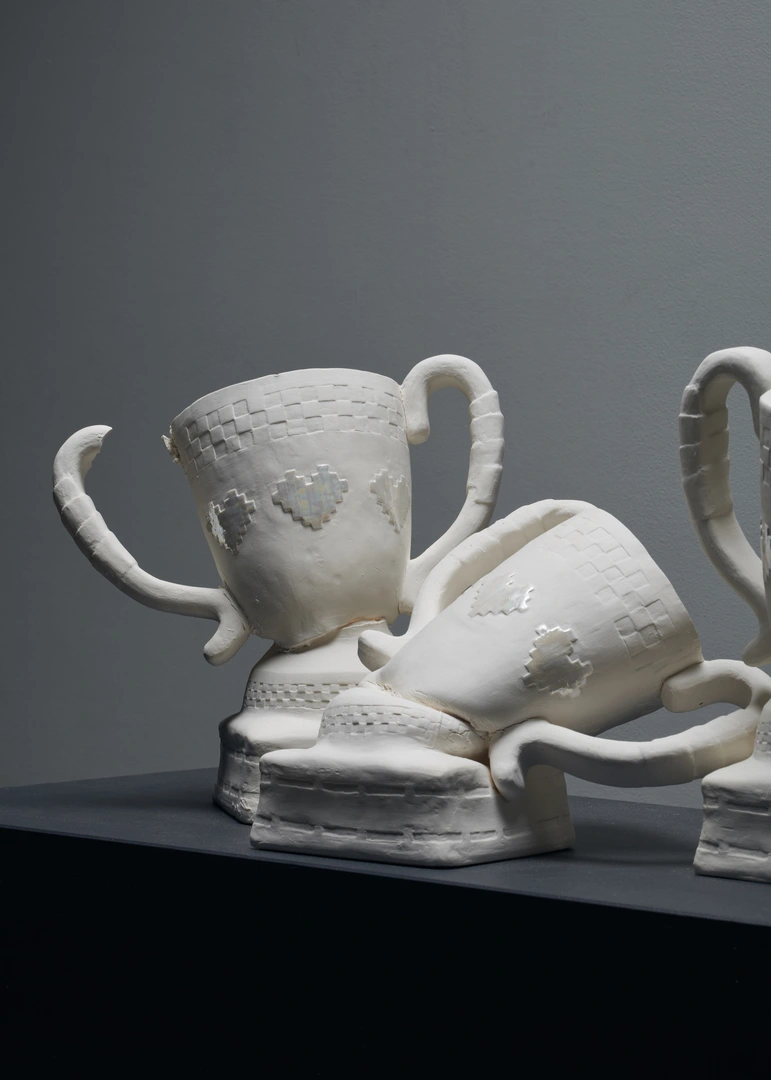
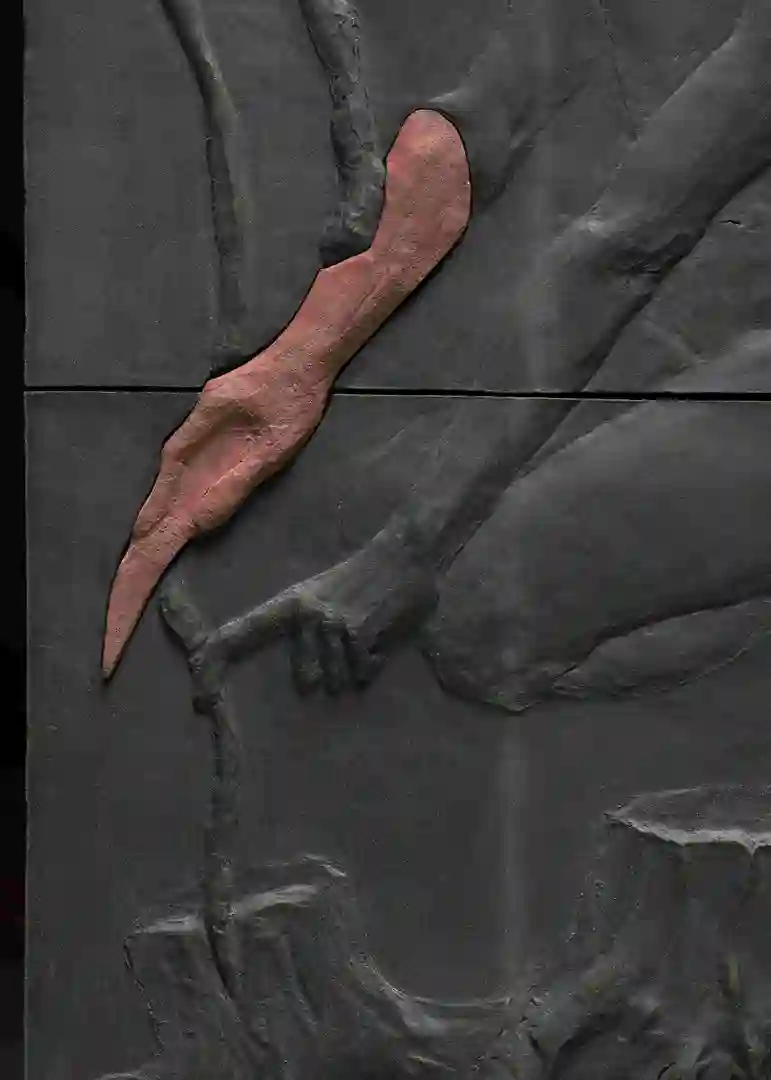
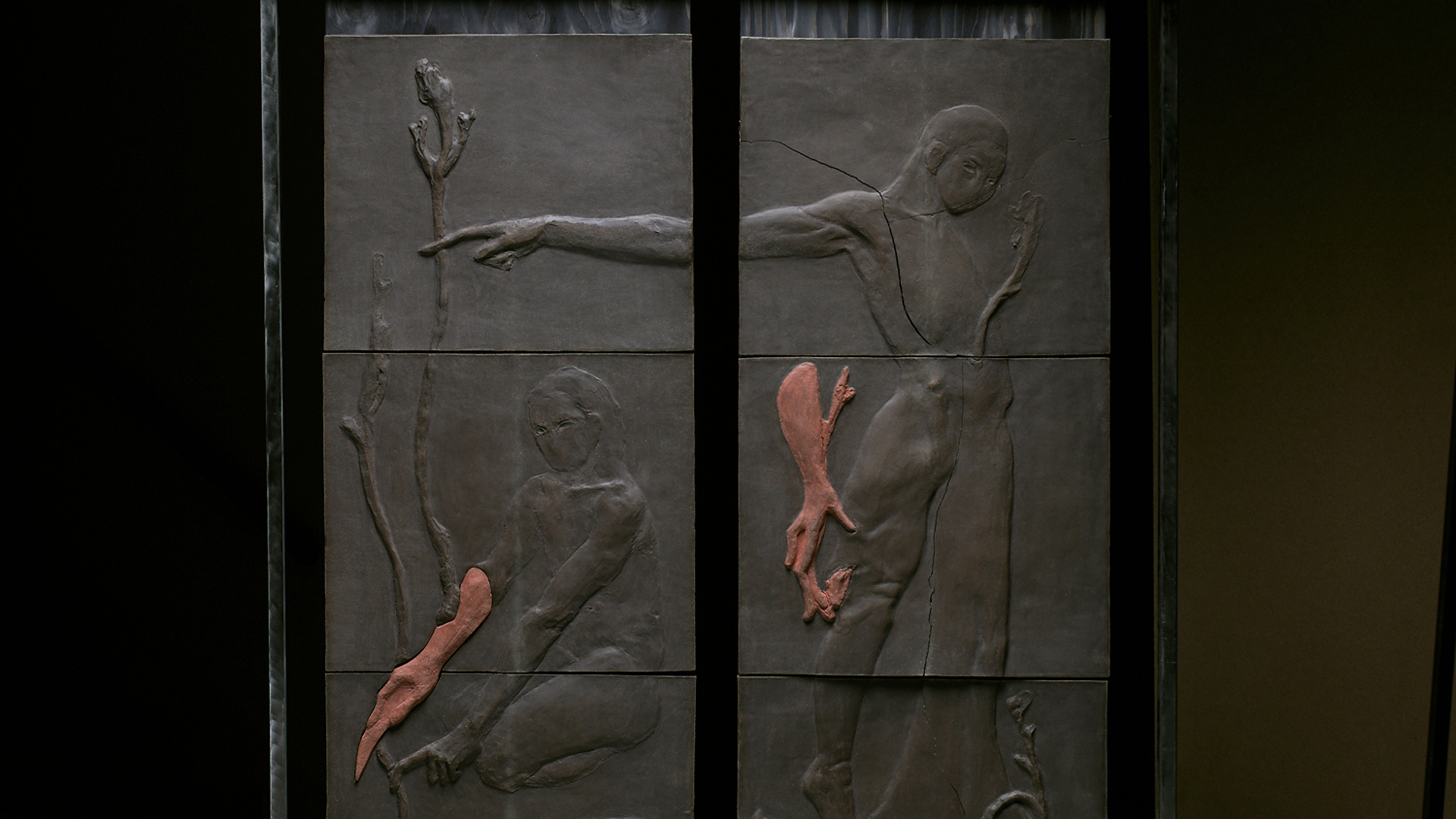
The exhibition project Landscape, featuring selected student works from UMPRUM, shows how the landscape can bear witness to human presence, but also how it in turn shapes our behaviour. The works reflect both the states of abandonment or departure of a human from the landscape and their intensely materialised presence.
Every place we enter changes us, and we change it in return. Through our everyday actions we leave traces on the world around us, while the landscapes we inhabit shape our memories, habits, and ways of living. But landscapes also have lives of their own. Long after people leave, nature continues to grow, adapt, and transform.
The exhibition project Landscape, through a selection of student works from the Studio of Ceramics and Porcelain at the Academy of Arts, Architecture and Design in Prague (UMPRUM), demonstrates how the landscape can bear witness to human presence, but also how it itself shapes our behaviour. Similar themes resonated in public discourse in post-communist countries in the early 1990s, at the dawn of interest in the systematic protection of the environment and human impact on the landscape.
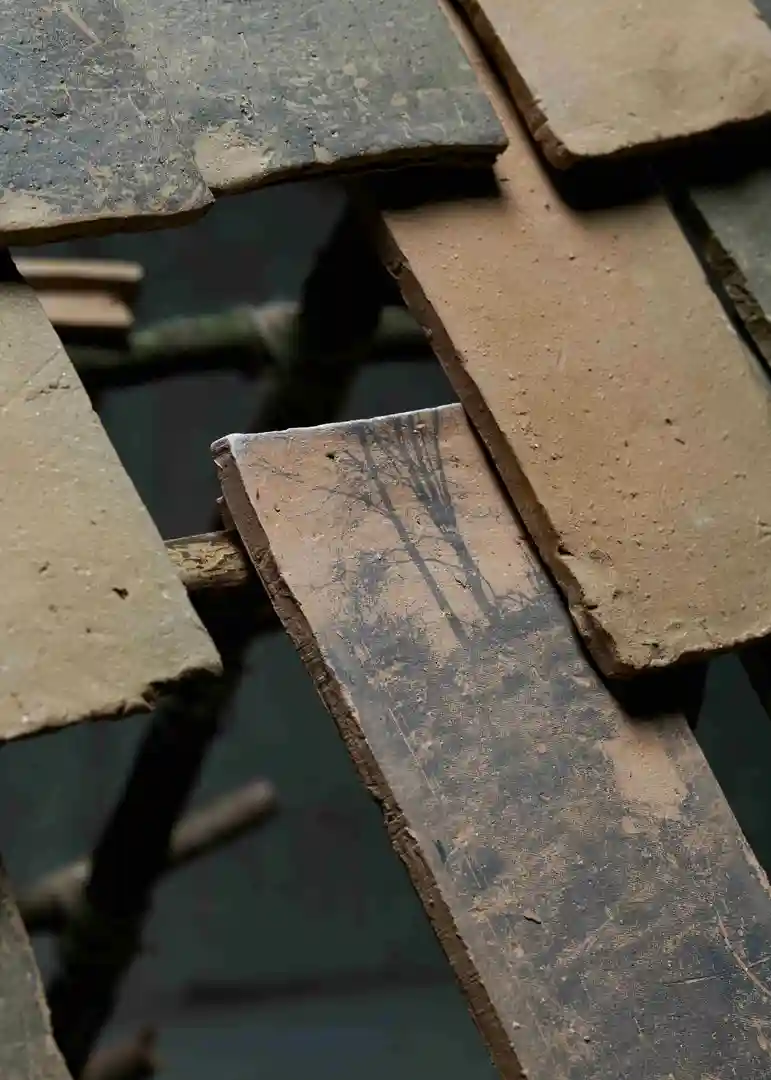
The works on display reflect two types of movement. The first is the abandonment or departure of humans from the landscape and the ways in which nature gradually comes to terms with their absence. Within this line of thinking, we can consider Noemi Sickova’s project Meadow , which explores the relationship between the meadow ecosystem’s dependence on human activity, and Marie Bokova’s Wound as a Technology of Remembrance, which addresses the phenomenon of the preservation of old varieties of fruit trees from abandoned border regions.
This is directly followed by the second movement: the intensely materialised presence. It is often associated with the exploitation and commodification of natural resources and with unequal relationships between humans and other organisms.
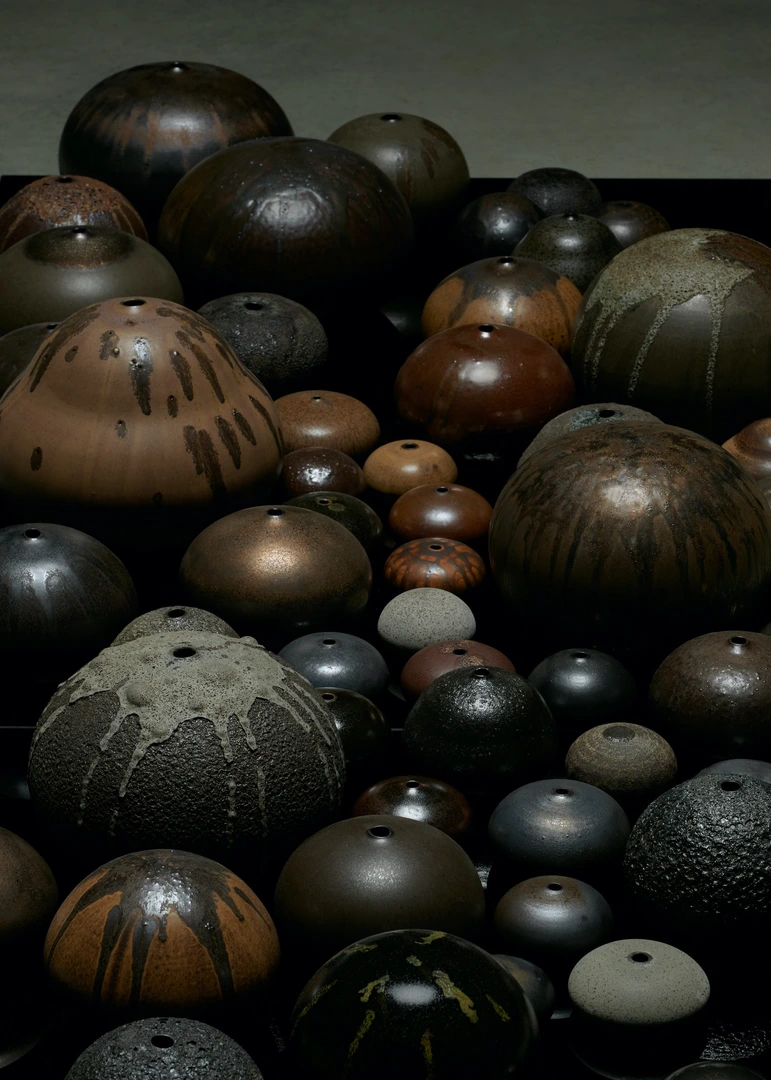
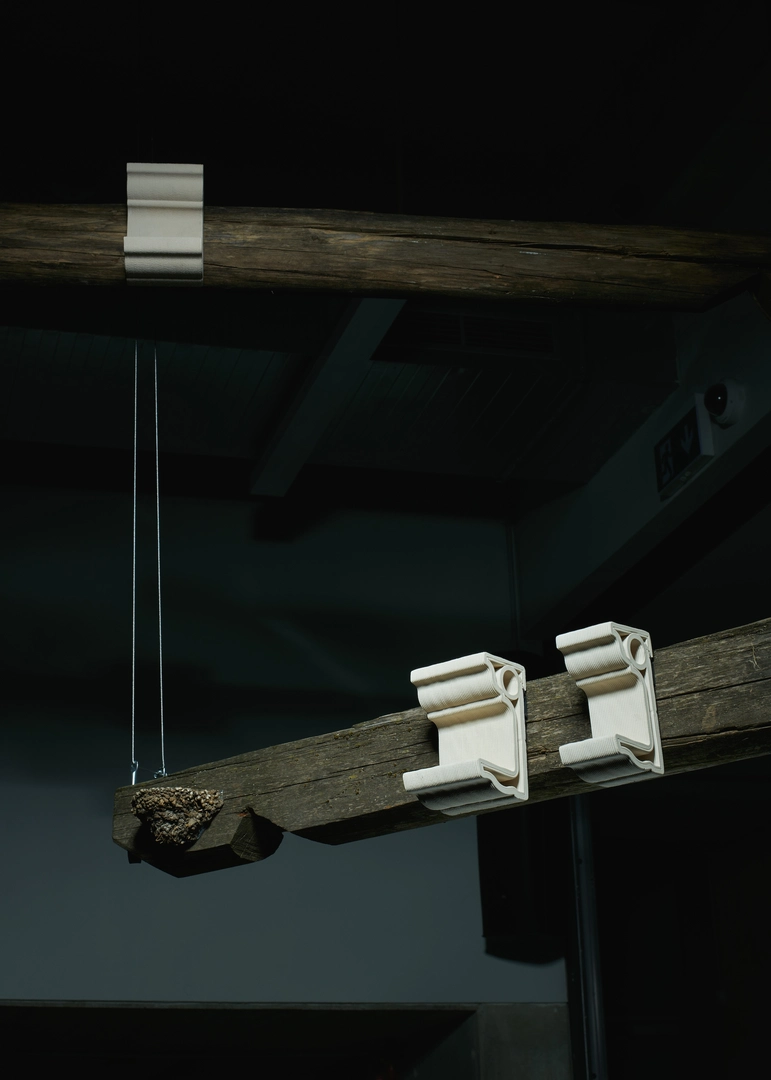
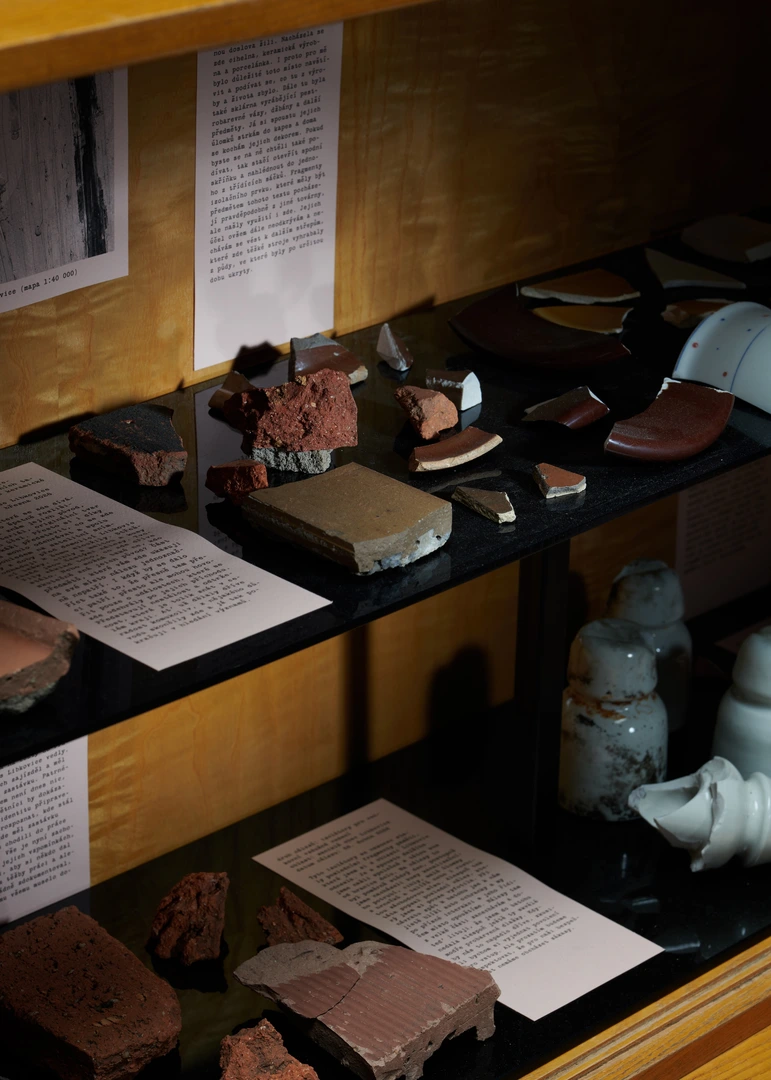
Krystof Vicha’s Seabed Elegy uses an art installation to explore the possible future of a specific deposit and the price we are willing to pay for a particular raw material. Similarly, in her work With Their Hands in the Ground Barbora Kurkova draws on a specific location and personal experience to reflection memory in the mining landscape of northern Bohemia, the process of its preservation and its loss. Roman Mares seeks to address the negative consequences of the expansion and transformation of human settlements on urban fauna by designing architectural elements that facilitate bird nesting. Meanwhile, Veronika Marikova’s video installation If you’re afraid, don’t get on a bike reflects on the hostility and power dynamics that influence movement within the urban landscape.
The projects by the youngest generation invite visitors to reflect on just how far thinking about ecology and environmental issues has progressed since the 1990s.
Given that the exhibiting artists did not themselves experience the optimistic atmosphere of the 1990s, they maintain a distance from the hopeful prospects that humanity is capable of effectively resolving the problems it has caused. On the contrary, their sensitive reflection on the relationship between humankind and the landscape leads them to humility, to weighty considerations of responsibility, and to the need to redefine the relationship between the landscape and humankind in a fairer way.
Guided exhibition tours led by the exhibition’s authors and designers: September 12, 2026, at 11:30 a.m. September 13, 2026, at 2:00 p.m
Part of the 30th Made in Prague Festival, organised by the Czech Centre London.